Showing posts with label Eastern European food. Show all posts

08 June 2018

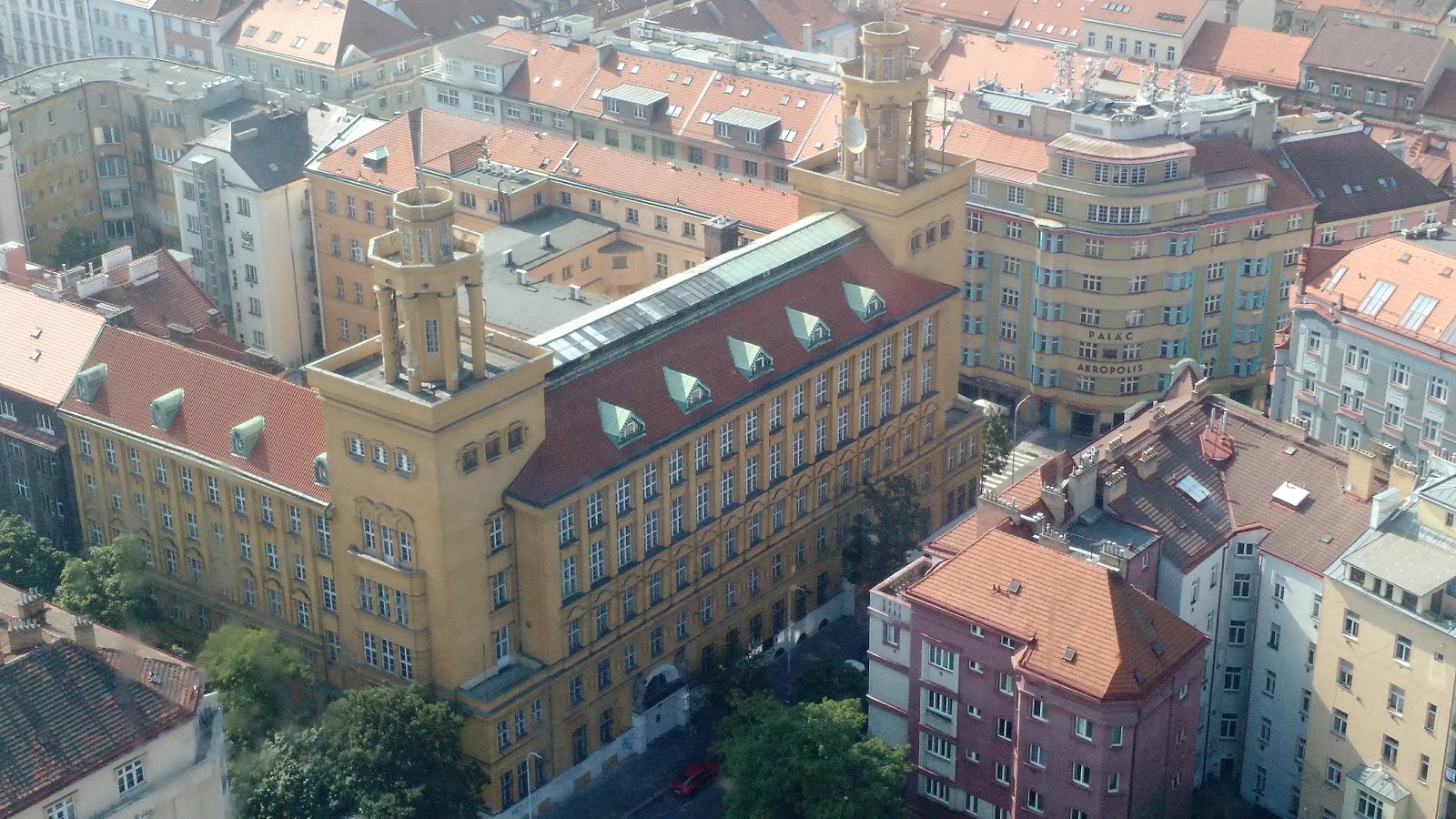
36 hours in Prague

Prague was shockingly tourist-filled when I visited in May, but the beer was still dirt cheap, and the Medieval streets were still amazing.  It's a must-visit, for sure. Here's what I managed to do in my short time there:

STAY
Hotel ibis Praha Mala Strana
Plzeňská 14, Anděl, 150 00 Praha 5-Anděl-Smíchov, Czechia
 +420 221 701 700
Metro station: Anděl, serviced by busses, trams, and the Metro
It's just south of Malá Strana, also known as Lesser Town, is a hillside area with views across the Vltava river to the old town. Hotels, casual eateries and traditional pubs line its narrow streets, and visitors scribble messages to the late Beatle on the John Lennon Wall. The riverside Kampa area offers fine dining, and exhibits of photos and letters at the Franz Kafka Museum. Peacocks roam freely at Wallenstein Garden.Mala Strana developed at the foot of Prague's Castle Hill, a cluster of noble homes and palaces that formed one of the city's administrative units.

GETTING AROUND
As usual, Prague has public transportation figured out.  Read about it here. Bonus: the cute trams provide terrific views of the various neighborhoods in the city. 

VISIT
The two obvious landmarks of Wenceslas Square are at the southeast, uphill end: the 1885–1891 National Museum Building, designed by Czech architect Josef Schulz, and the statue of Wenceslas (currently closed for rennovations). The Square also hosts the Melantrich Building, No. 36, 1914, where Alexander Dubček and Václav Havel appeared together on its balcony in November 1989, a major event of the Velvet Revolution

Czech Museum of Music
Karmelitská 2/4,
118 00 Praha 1
Friday: 10.00-18.00
Saturday: 10.00-18.00

The exhibition titled "Crossroads of Czech and Czechoslovak Statehood" captures significant breaks in our history of the 20th century, when the statehood and ideological concept of the state changed significantly:
National Memorial at Vítkov
U Památníku 1900
130 00, Prague 3

Prague Castle
Prague 11908, Czech Republic (Hradcany & Letna)
+420 224 373 368

Petřínské skalky is an enormous park with a museum of ethnology, planetarium, art galleries, a national monument to the victims of communism, and so much more.  It puts Central Park in NYC to shame. Budget a couple hours to just get lost, and enjoy beautiful views from the top of Petrin Hill. 

EAT&DRINK
Lokál: One of the newer additions to the Ambiante Restaurant empire. This place serves up quality Czech food at reasonable prices. Address: Lokál, Dlouhá 33, Prague 1. (Good place for traditional dumplings)

Bredovsky Dvur: Just a block away from popular Wenceslas Square, but with a different feel from the high-traffic tourist areas. Try to go during lunch as there are inexpensive lunch menus and you’ll be enjoying your meal with locals on their lunch break. Address: Bredovsky Dvur, Politických vězňů 13 (parallel street to Wenceslas Square), Prague 1

Na Verandach: This restaurant is right at the Staropramen brewery, so you know the beer is fresh. Hearty food, too. Address: Na Verandach, Nadrazni 84, Prague 5 (Smichov)

Olympia: Nice Czech pub serving both Czech and continental specialties. Address: Olympia Kolkovna, Vítězná 7, Praha 1 (Ujezd)Suggested beer gardens: Letna Park Beer Garden(Prague 7) with views of the city or Riegrovy Sady(Prague 2) for a more grungy, local flavor.

Wine + cheese at Grebovka Vineyards: Grebovka park is in Prague 10. Closest tram stop is Krymska on 22, 16, or 4 tram lines. Finding your way here through the windy residential streets is part of the fun; this is not a touristy area at all. Go past the Grobovka Pavillion to get to Altan.

Upstair Cafes:
There’s the Grand Café Orient above the Cubist Museum, decorated in such detailed sympathy even the cakes come garnished with an oddly angled wafer. The fin de siècle Café Louvre, perched over an entirely forgettable modern rival, was a favourite with Kafka and Einstein, and serves a fabled hot chocolate you can stand a spoon up in.

REPEAT AFTER ME:
Mluvíš anglicky? / mloo-vish ang-gli-skee : "Do you speak English?" (Don't worry, they all do.)




01 June 2018

36 hours in Budapest

...I think there's a NYTimes article of the same title from a few years ago, but here's the guide for those of you whose last names are not Rockefeller (and for those of you interested in mixing up the touristy stuff with a little local flavor). Bottom line: GO NOW, before it gets completely overrun with tourists (except for you, who are super awesome tourists who tread lightly, of course). Here's what I did/where I stayed:

STAYING
City Hotel Matyas
Budapest, Március 15. tér 8, 1056 Hungary
+36 1 338 4711

The rooms are charmingly dated but clean and all come with private bathrooms (formerly a luxury in Central Europe). The breakfast spread is fantastic, and the location, just across the Danube from Gellért Hill and near a major Metro line, is scenic, lively, and incredibly convenient.


GETTING AROUND
When you get in from the airport, there's an easy bus to catch that takes you into the heart of the city: Bus100EDeák Ferenc tér M (purchase tickets at BKK Customer Service at the Airport or vending). Cost was 900 HUF in May 2018.

As with all European cities, public transportation is cheap, efficient, and comprehensive. Here's an introductory guide to purchasing tickets and learning the system.

Tram 2 skirts the banks of the Danube on the Pest side and even passes the magnificent Parliament, while Bus 16, affectionately known as the “Castle Bus”, winds a route up to and through the charming neighborhood that surrounds Buda Castle.

But wait! You were getting the Hop On ticket so you could take the Danube boat as well? Don’t bother – there are public boats that ply the river during the summer and they cost just 1 Euro each way. And there’s a bar on board!

VISITING
If you're worried about missing the major stuff (or just mesmerized by all those bendy streets that don't line up), consider one of the city's free walking tours:

“Original” Starts daily at 10:30 a.m. & 2:30 p.m.
Meeting point: Vörösmarty square (at the lion fountain)
Length: 2.5-3 hours – covers about two and a half miles (~ 3.5 kilometers)
Downloadable tour sheet

“Jewish Quarter” Starts daily at 10:00AM & 3:30PM
Meeting point: Vörösmarty square (at the lion fountain)
Length: 2 – 2.5 hours – covers about one and a half mile (~ 2.5 kilometers)
Downloadable tour sheet

The most popular of the Budapest mineral baths is definitely Széchenyi, and it's crowded af. Gellért is Buda is a bit more chill, but still on the beaten path. Király Bath still lives in its original Ottoman dome, as does Veli Bej Bath, which has been beautifully renovated and has more of a luxurious feel. And, if you like the outdoors feel, Dandár Bath has a stunning courtyard pool to enjoy. Pro tip: bring your own towel and some flip flops. 

Not to be a downer, but you really should go to the House of Terror, which details the successive occupations of Hungary through time, but focusing primarly on the Nazo and Soviet occupations.  It is really well done, and always fascinating to see how a country tells its own history. 
Terror Museum
1062 Budapest, Andrássy út 60.
muzeum@terrorhaza.hu
+36 (1) 374 26 00
The House of Terror Museum is easily accessible by the Millennium underground (M1) or tram 4 / 6. It is a short walk from Vörösmarty utca underground station or Oktogon tram stop. Open every day except Monday: 10:00 am-6:00 pm.

Buda Castle & Fisherman’s Bastion: Explore pretty, quiet streets and catch the spectacular views of Pest from the top.

EAT&DRINK
Szimpla, the famous ruin pub, truly is worth visiting. And it hosts a popular farmers’ market every Sunday, with delicious offerings and live music. Karavan Street Food is also located in a small ally near Szimpla Kert this place is perfect for a quick, easy and tasty lunch. With several food carts serving up hot fresh and local food, there is something for everyone, including local beer! The area is decorated with lights and has benches so you can take a break and relax while you enjoy your food. Be sure to order the local flatbread with goat cheese and arugula. Margitutcakilenc is a ruin pub on the Buda side and serves excellent, locally sourced food at a great price.

(PS--All the guides say that you have to go to Gerbeau Café. It is very touristy, over-priced, and not the most spectacular of Budapest Cafés. Visit the Alexandra Bookstore Café or the New York Café instead.)

The Hungarian language is absolutely bananas and unrelated to everything except Finnish (Latin was also officially spoken into the 19th Century there), but don't worry, everyone speaks English.  Just memorize this on the plane: 

Szia. (SEE-å). Beszél angolul? (BE-seyl ÅN-go-loul?)

"Hello! Do you speak English!


06 October 2017

Chicken and Rice revamp (Romanian style)

This is not actually Romanian, nor does it have rice.  It's very loosely based on a delicious, simple, and incredibly comforting dish that a Romanian friend, a talented filmmaker named Ouana, would make to take the chill off a snowy Wyoming night after shoveling the driveway clear.  The peppers, paprika, and sour cream (or my favorite substitute, yogurt) are pretty clearly Eastern European, and the pasta was just what she served with it.  But given the almost international tradition of chicken and rice (of some sort), I thought orzo would echo that nicely. 


Romanian Chicken and "Rice"

Serves 4

8 oz. whole wheat orzo
2 tablespoons olive oil
1 chicken breast, cut into 1/2-in strips
1 teaspoon paprika
1 small yellow onion, thinly sliced
1 small green bell pepper, thinly sliced
2 small red bell pepper, thinly sliced
1 garlic clove, minced
12 cup dry white wine
salt and pepper to taste
generous handful of fresh basil leaves, chiffonaded
sour cream or plain yogurt for serving

Cook the pasta in well-salted water according to package directions.  Drain except for 1/2 cup of reserved cooking liquid. Set aside.

In a large frying pan, heat the olive oil over medium-high heat.  When it shimmers, add the chicken breast strips along with some salt and the paprika and stir fry until almost cooked through.  Remove to a plate with a slotted spoon.

Add the onion and peppers to the hot oil and lower the heat to medium-low. Season with salt and stir.  Allow to simmer until very soft, stirring occasionally, which should take about 20 minutes.  Add the wine, garlic, and chicken to the pan and stir to coat.  Season with salt and black pepper to taste.

When the garlic becomes fragrant and some of the wine has reduced, add the pasta and reserved water.  Stir thoroughly to mix and allow to simmer another 5 minutes to allow flavors to meld and liquid to reduce slightly.  Stir in the fresh chopped basil and serve in bowls topped with sour cream/yogurt.


29 September 2017

Borscht, how I love thee...


I know it's not cool to say this, but I really love beets.  And I particularly love them in borscht.  They are sweet, earthy, and a great carrier for all things acidic and creamy. Beets are doing great in the garden right now, so you should find your own favorite recipe and make it over and over until your poop looks like you're going to die (just kidding, that will happen after just one bowl).


This is a hot borscht that's very fresh but hearty for cooler weather. This recipe is vegetarian, but you could pop some pre-made little meat balls in at the end of the cooking time, as well:


Ukrainian/ Russian Steppe Borscht

Serves 6-8

3 medium beets, peeled and cubed
3 carrots, peeled and shredded
3 medium baking potatoes, peeled and cubed
1 tablespoon vegetable oil
1 medium onion, chopped
1 (6 ounce) can tomato paste
3/4 cup water
1/2 medium head cabbage, cored and shredded
1 (8 ounce) can diced tomatoes, drained
3 cloves garlic, minced
salt and pepper to taste
1/2 cup sour cream, for topping
1 tablespoon chopped fresh dill for garnish

Fill a large pot halfway with water (about 2 quarts), and bring to a boil. Add the beets, and cook until they have lost their color. Add the carrots and potatoes, and cook until tender, about 15 minutes. Add the cabbage, and the can of diced tomatoes.
Heat the oil in a skillet over medium heat. Add the onion, and cook until tender. Stir in the tomato paste and water until well blended. Transfer to the pot. Add the raw garlic to the soup, cover and turn off the heat. Let stand for 5 minutes. Taste, and season with salt, and pepper.
Ladle into serving bowls, and garnish with sour cream, if desired, and fresh dill.


If it's still hot where you live, this summery cold borscht (very Lithuanian) is just the thing:


Cold Borscht


Serves 4

2 pounds of beets (5-6 beets, depends on size)
1 cucumber
2-3 eggs
5 green onions
Small bunch of fresh green dill
2 quarts of kefir or buttermilk
About 2 quarts of cold water
3 tablespoons of sour cream
Salt and black pepper to taste

Boil the beets skin-on and cool them down to room temperature; also boil eggs till hard, cool then down too; rinse greens and cucumber. Once boiled beets are cooled down, skin them: take a big cooking pot and grate the boiled beets into it using the large slots of grater. Peel and dice the eggs and add them to the cooking pot. Dice the cucumber and add to the cooking pot. Chop the green onions and add to the cooking pot. Add finely chopped fresh dill. Add 2-3 tablespoons of sour cream and season with salt and pepper. Mix everything; add all buttermilk or kefir. Add about the same amount of water (or more, to taste) and mix everything. Cover cooking pot with a lid and refrigerate at least 2 hours before serving.

06 February 2015

The Beauty of Mushroom Strudel

Mushroom Strudels are delicious, but they look intimidating.  Beautifully golden, perfectly sealed golden loaves of puff pastry with mushrooms and cheese inside are as beautiful as they are comforting (and yet appropriate for entertaining, especially if there are Eastern Europeans in the room).  But this recipe is easy, and thanks to these beautifully photographed, well-written directions from the brilliant CookinCannuck, you can make this centerpiece-worthy treat while drinking wine and being clever with your guests, too.  As you can see, I changed the recipe, but whatever, do what you want.


(Pretty easy) Mushroom Strudel

Serves 4-6

2 tablespoons butter
1/4 cup extra-virgin olive oil
1 large shallot, chopped finely
2 cloves garlic, chopped finely
1 1/2 pounds assorted fresh mushrooms, sliced
Sea salt and black pepper
2 teaspoons each finely chopped thyme, tarragon, flat-leaf parsley and chives
4 ounces goat cheese, crumbled
1/2 package (1 sheet) puff pastry, thawed

In a large skillet, heat butter and olive oil. Add shallots and garlic and soften. Add sliced mushrooms. Season with salt and pepper and cook over low heat until tender. If juices exude, raise heat and cook until they evaporate. Stir in the herbs and remove from heat. Pour mushrooms into a colander to dry and cool completely, about 30 minutes.

Preheat oven to 400 degrees F.

Roll defrosted sheet of puff pastry to a 9- by 12-inch rectangle. Spoon the mushroom mixture evenly, down the middle third of the puff pastry, leaving one third of puff pastry free on each side.  Top evenly with goat cheese. Fold one-third of puff pastry over the mushrooms to cover it. Using a small, sharp knife, cut the remaining third of into 1/2-inch strips. Fold one strip on either end to seal the strudel. Lay the remaining strips in decorative X pattern along the top of the strudel. See photos of step-by-step directions here.

Transfer the strudel to a baking sheet lined with parchment paper. Bake until the puff pastry is golden brown, about 30 minutes. Remove from the oven and let rest for 10 minutes. Cut into 1 1/2 to 2-inch slices. Serve.


17 March 2014

The Irish aren't the only cabbage lovers!

I enjoy a good helping of Colcannon as much as the next gal, but there are plenty of other ways to enjoy crisp, sweet, early spring cabbage besides hiding it in mashed potatoes.  I grew up eating it "creamed" at the holidays, a dish that sharply divided the family into lovers and haters.  My grandma would boil sliced cabbage in milk, butter, and a little salt, and when it was good and mushy, she'd stir in enough flour to make the sauce a medium-thick paste.  The smell of that thoroughly boiled cabbage would complete with even the smell of turkey roasting in the oven, filling rooms on the other side of the house for days afterwards. Now that I think of it, the room may have been divided into dutiful vegetable eaters and people who wanted to enjoy their meals.  But I loved it! I was, like, five, and I didn't have to chew it very much.  

What I didn't ever eat growing up, even though I am partially Lithuanian and hail from the south suburbs of Chicago, is holubki (golabki if you're Polish).  These silky smooth cabbage rolls are usually filled with ground meat and onion and smothered in a mild, faintly exotic tomato sauce, but they are just as easily filled with rice, lentils, and mushrooms, as I have done here, or any other combination of grains and protein you favor. The recipe has several steps, but it's not complicated to execute, and it will fill your house with the old-world smells of a comforting casserole, lovingly prepared by your babushka, even if you never had one.  Holubki will also necessarily yield some extra steamed cabbage, which you can save for a round of Thai-style spaghetti squash later in the week.  


Vegetarian Holubki

Serves 4 (two rolls each)

1 large cabbage
2 cups brown rice, cooked
2 cups brown lentils, cooked
1/2 cup onion, minced
1 garlic clove, minced
4 oz. mushrooms, cleaned and chopped
1 teaspoon ground ginger
1 tablespoon sweet paprika
1 tablespoon parsley, chopped
1 teaspoon black pepper
2 eggs
1/2 cup vegetable broth
2 tablespoons olive oil
1 (12 ounce) can diced tomatoes
1 (12 ounce) can tomato sauce

Core cabbage, place in pot and cover with water. Bring to a boil. Lower heat to medium and cover with a lid. Cook until slightly softened. Remove cabbage and place in a dish to cool.

Meanwhile, in a large pot, saute onions, mushrooms, and garlic in the olive oil until transparent. Remove from heat and add lentils, rice, spices, egg, and vegetable broth. Mix well.

When cabbage is warm to the touch, peel leaves and place on cutting board. You should have eight  large leaves.

Preheat oven to 375°F.

Divide filling mixture into six equal parts.

Fill cabbage leaves and roll tucking in ends like burritos. Place filled rolls with folded end down into baking dish.

Combine tomato sauce and tomatoes along with tomato juice from can in separate bowl. Add half of ¼ cup water to sauce. Mix well.

Ladle over rolls. Cover rolls in aluminum foil and bake for 45 minutes or until cabbage is easily poked with a fork.


14 February 2014

Saucy chicken, made with love.

I have seen similar recipes to this one calling this "Roman" chicken; I experienced it as Romanian, but no matter. Romanian culture is a fascinating blend of Western and Eastern European, and they do, of course, share more than just a few letters of their name with the ancient inhabitants of Rome. This is a saucier version of a much-appreciated, home-cooked meal made by Ouana, a brilliant filmmaker and snowboarder from Bucharest, after a long afternoon of shoveling snow.


Romanian Chicken

Serves 6

4 skinless chicken breast halves, with ribs
2 skinless chicken thighs, with bones
1/2 teaspoon salt, plus 1 teaspoon
1 teaspoon paprika
1/2 teaspoon freshly ground black pepper, plus 1 teaspoon
1/4 cup olive oil
1 red bell pepper, sliced
1 yellow bell pepper, sliced
2 cloves garlic, chopped
1 (15-ounce) can diced tomatoes
1/2 cup white wine
1 tablespoon fresh thyme leaves
1 teaspoon fresh oregano leaves
1/2 cup chicken stock
2 tablespoons capers
1/4 cup chopped fresh flat-leaf parsley leaves


Season the chicken with 1/2 teaspoon salt, 1/2 teaspoon pepper, and 1 teaspoon paprika. In a heavy, large skillet, heat the olive oil over medium heat. When the oil is hot, cook the chicken until browned on both sides. Remove from the pan and set aside.

Keeping the same pan over medium heat, add the peppers and cook until the peppers have browned, about 5 minutes. Add the garlic and cook for 1 minute. Add the tomatoes, wine, and herbs. Using a wooden spoon, scrape the browned bits off the bottom of the pan. Return the chicken to the pan, add the stock, and bring the mixture to a boil. Reduce the heat and simmer, covered, until the chicken is cooked through, about 20 to 30 minutes.

If serving immediately, add the capers and the parsley. Stir to combine and serve. If making ahead of time, transfer the chicken and sauce to a storage container, cool, and refrigerate. The next day, reheat the chicken to a simmer over medium heat. Stir in the capers and the parsley and serve with white rice or pasta.


17 May 2013

Hungarian Goulash

Spring weather is finally here and this dish couldn't be more wrong--you should be eating a lot of fruit, cucumbers, and grass clippings.  Perhaps it is because, as I write this post, I am visiting my family in Illinois, but I like the heavy old Eastern European classics sometimes, even when they're out of season.

You can enjoy this alone as a stew or serve it over egg noodles, spaetzle, or rice.  I like it over spaetzle and sprinkled with a little fresh dill and sour cream.

Hungarian Goulash

Serves 6-8

1/3 cup vegetable oil
3 onions, sliced
2 tablespoons Hungarian sweet paprika
2 teaspoons salt
1 teaspoon ground black pepper (or less if you're a baby)
2 large Russet potatoes, scrubbed and diced into 1-in cubes
8 oz. chopped mushrooms
1 pound beef stew meat, cut into 1 1/2 inch cubes

1 (6 ounce) can tomato paste
1/2 cup dry red wine
1 1/2 cups water
1 clove garlic, minced
1 teaspoon salt
chopped fresh dill and sour cream or plain yogurt for serving

Heat oil in a Dutch oven over medium heat.  Cook onions until very soft, stirring frequently.  Remove onions and set aside.

In a medium bowl, combine paprika, 2 teaspoons salt, and pepper.  Coat beef cubes in spice mixture and cook in oil until brown on all sides.  Add the potatoes, mushrooms, and cooked onions, as well as the tomato paste, red wine, water, garlic, and remaining 1 teaspoon salt.  Reduce heat to low, cover and simmer, stirring occasionally, for 1 1/2-2 hours, or until meat is tender.